

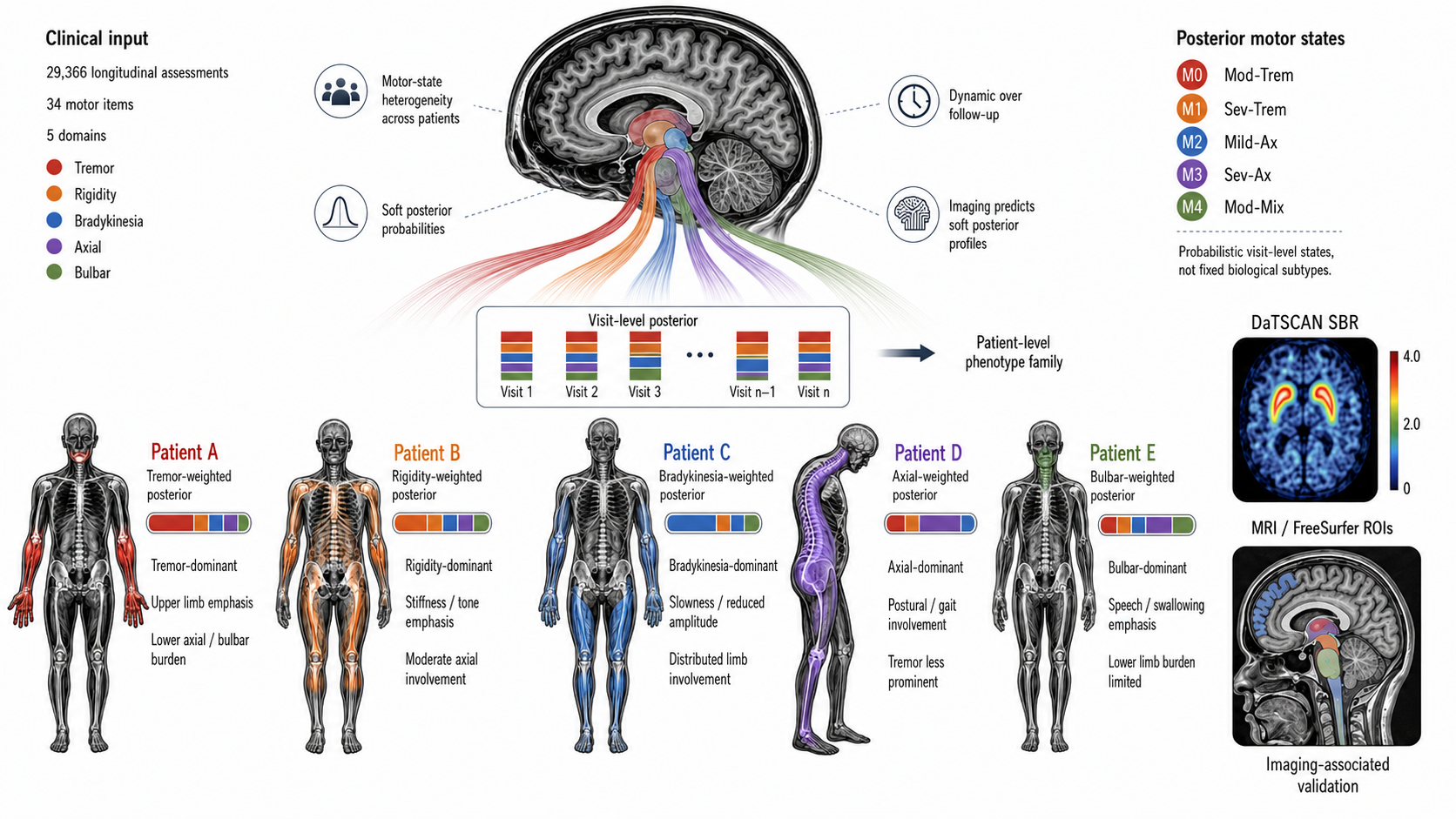
Longitudinal clinical states
Posterior-aware motor phenotyping
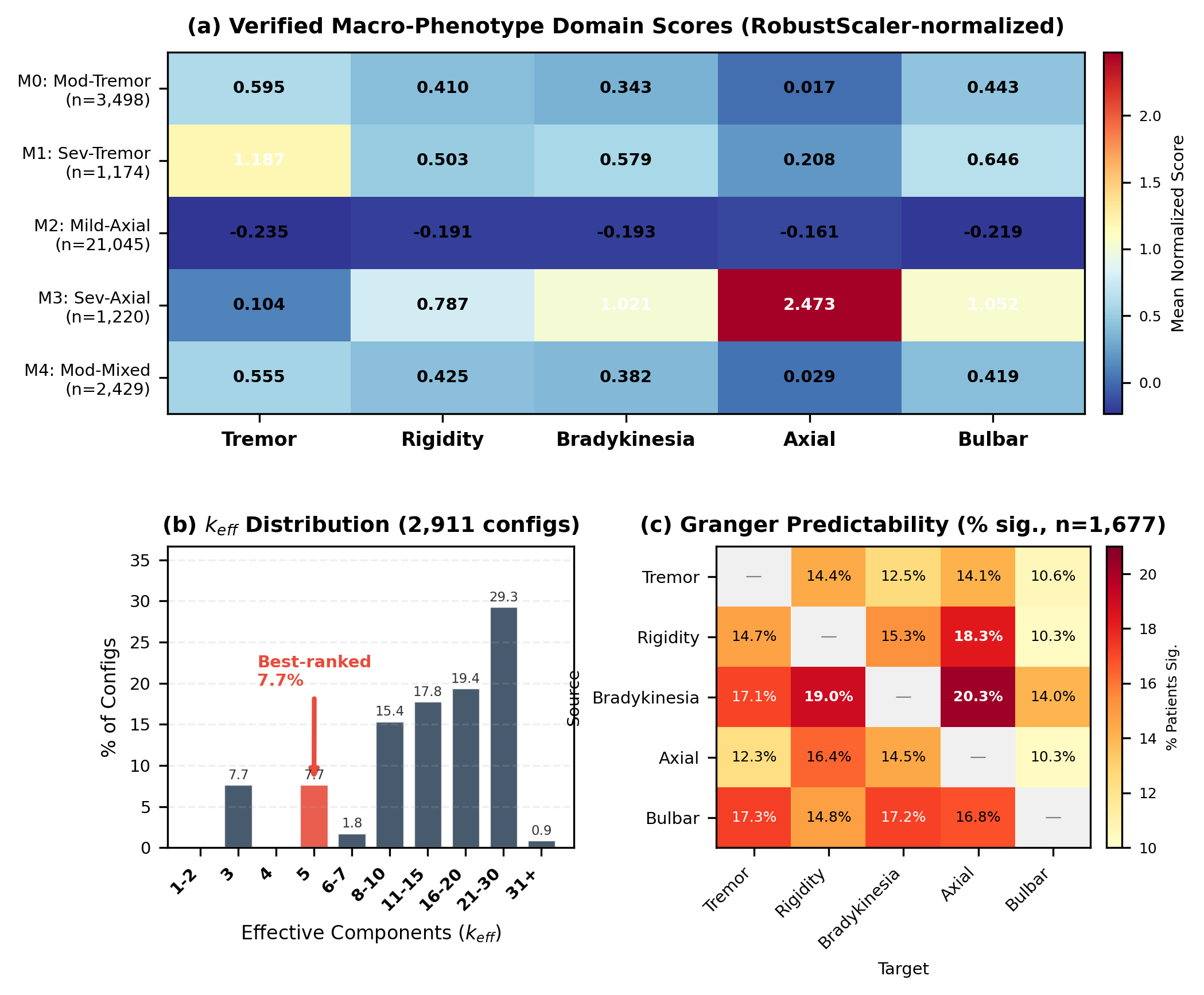
Soft motor-state assignments make heterogeneity visible across visits and connect patient-level patterns to DaTSCAN and MRI validation.
Open projectHealthcare AI / Parent directory
One public entry point for CVC's Parkinson's research across imaging, biomarkers, patient heterogeneity, and interpretable longitudinal modeling.
One research program
These efforts are related parts of one Healthcare AI program. The public summaries keep implementation details light while showing the visual logic behind each line of work.
Longitudinal clinical states
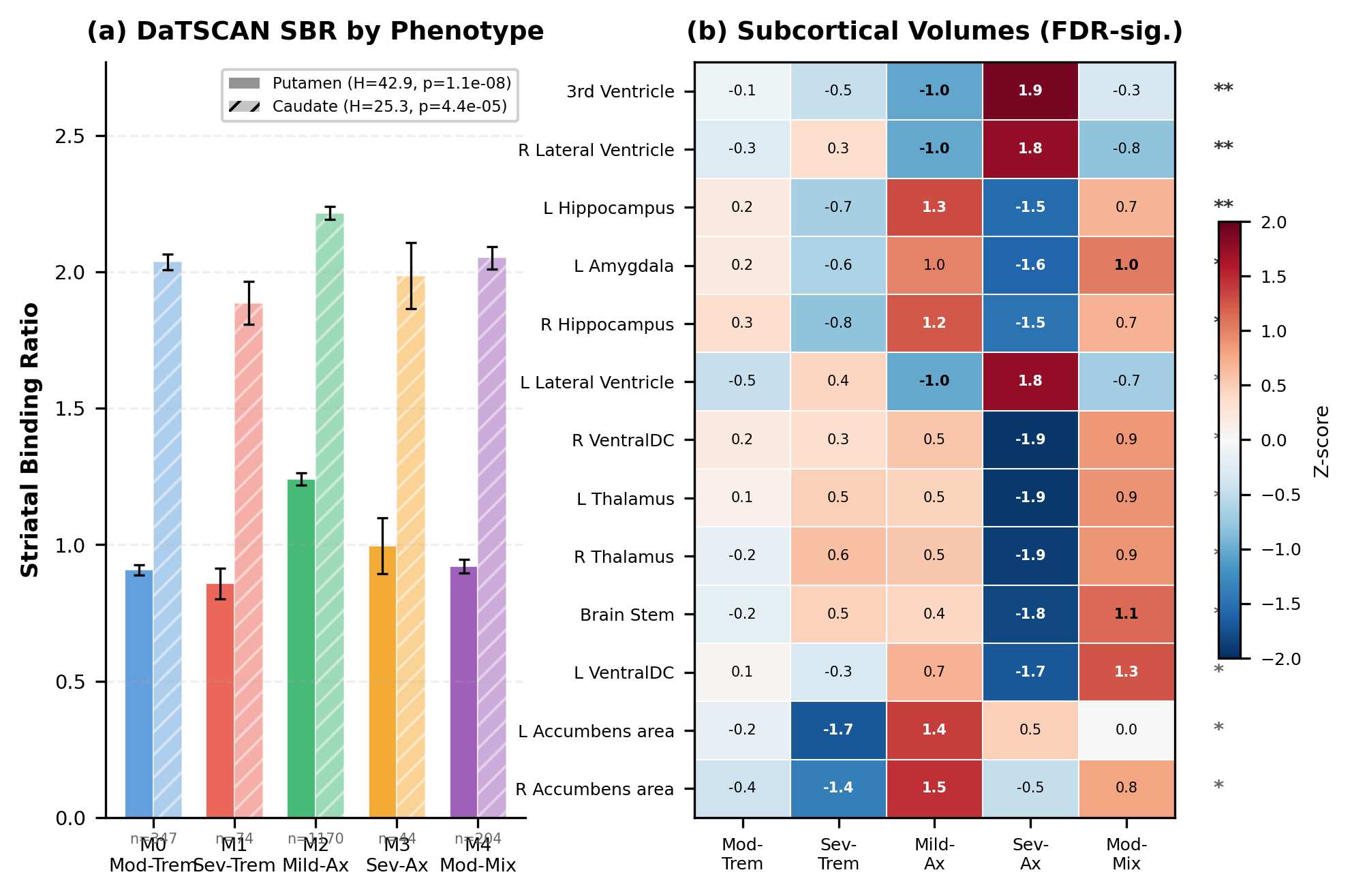
Soft motor-state assignments make heterogeneity visible across visits and connect patient-level patterns to DaTSCAN and MRI validation.
Open project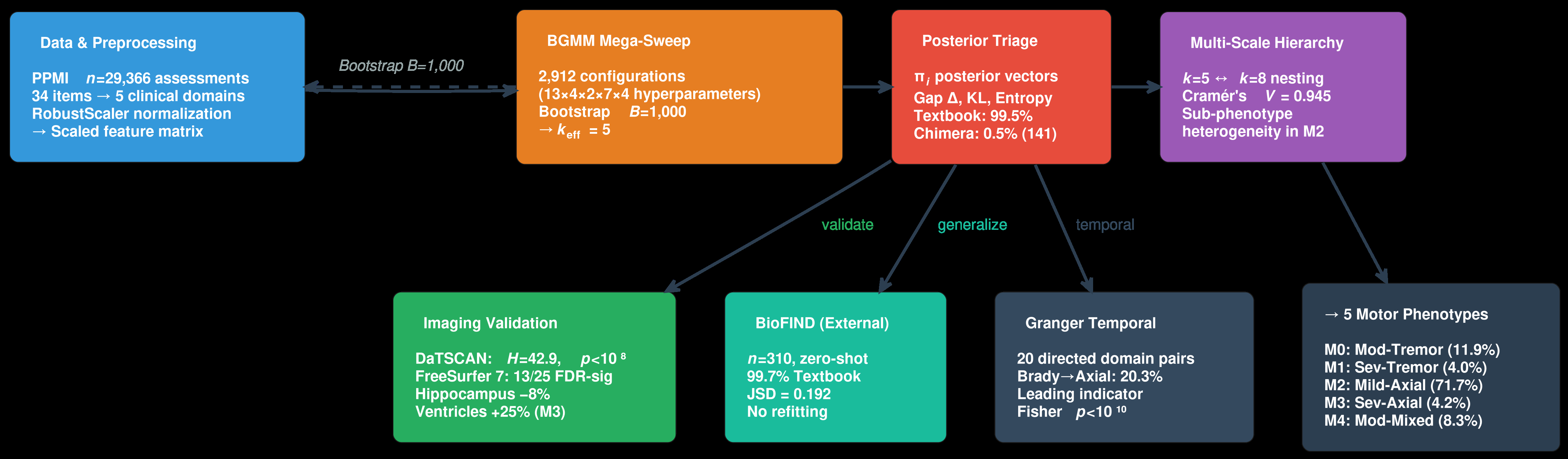
Interactive paper page
Explore the accepted conference paper through the visual method flow, posterior-state explorer, BGMM configuration browser, and empirical result gallery.
Open paper page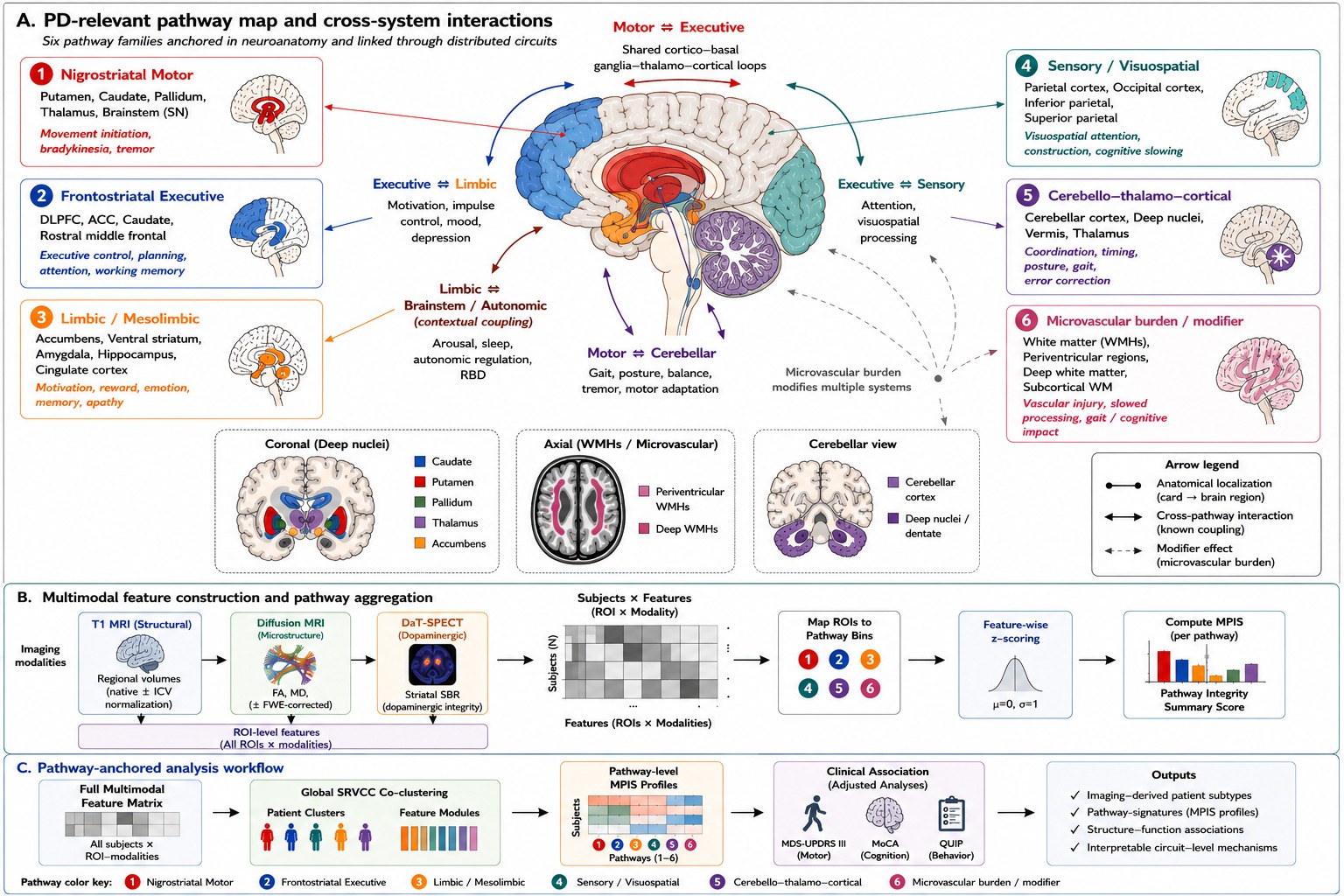
Interpretable imaging
Multimodal imaging features are organized around disease-relevant circuits so clusters can be read as pathway-level signals.
Open project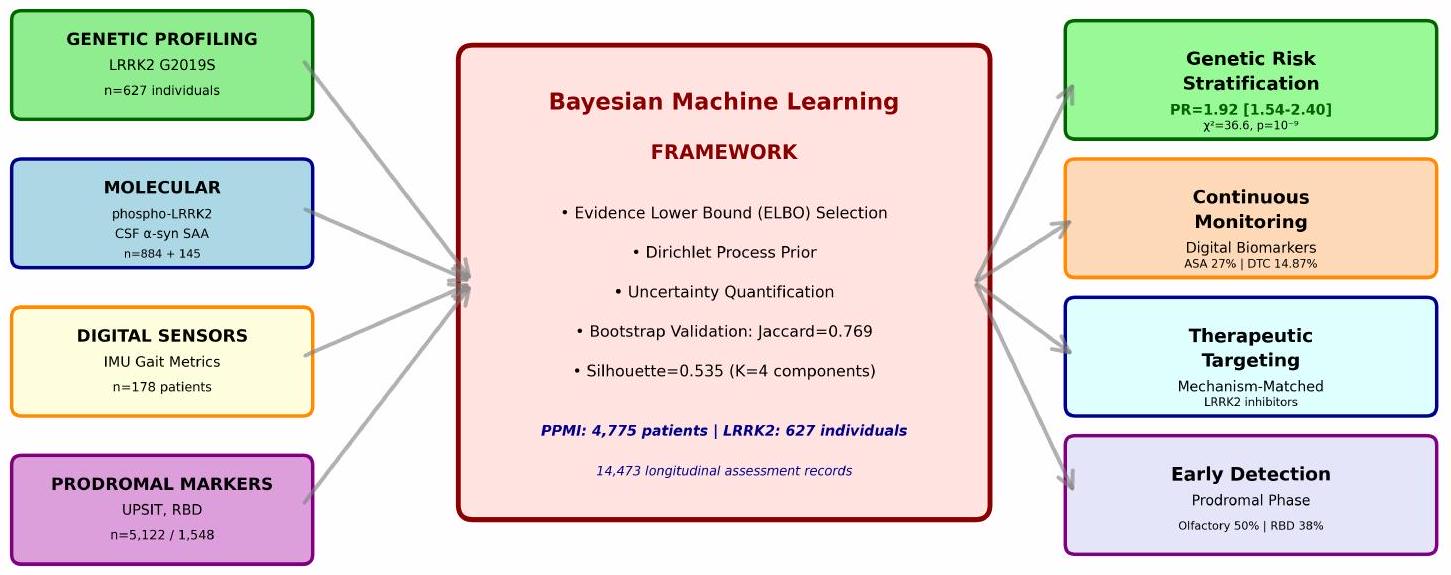
Genetics, assays, and wearables
A multimodal framework brings genetic risk, molecular assays, wearable sensing, and prodromal measures into one uncertainty-aware view.
Open project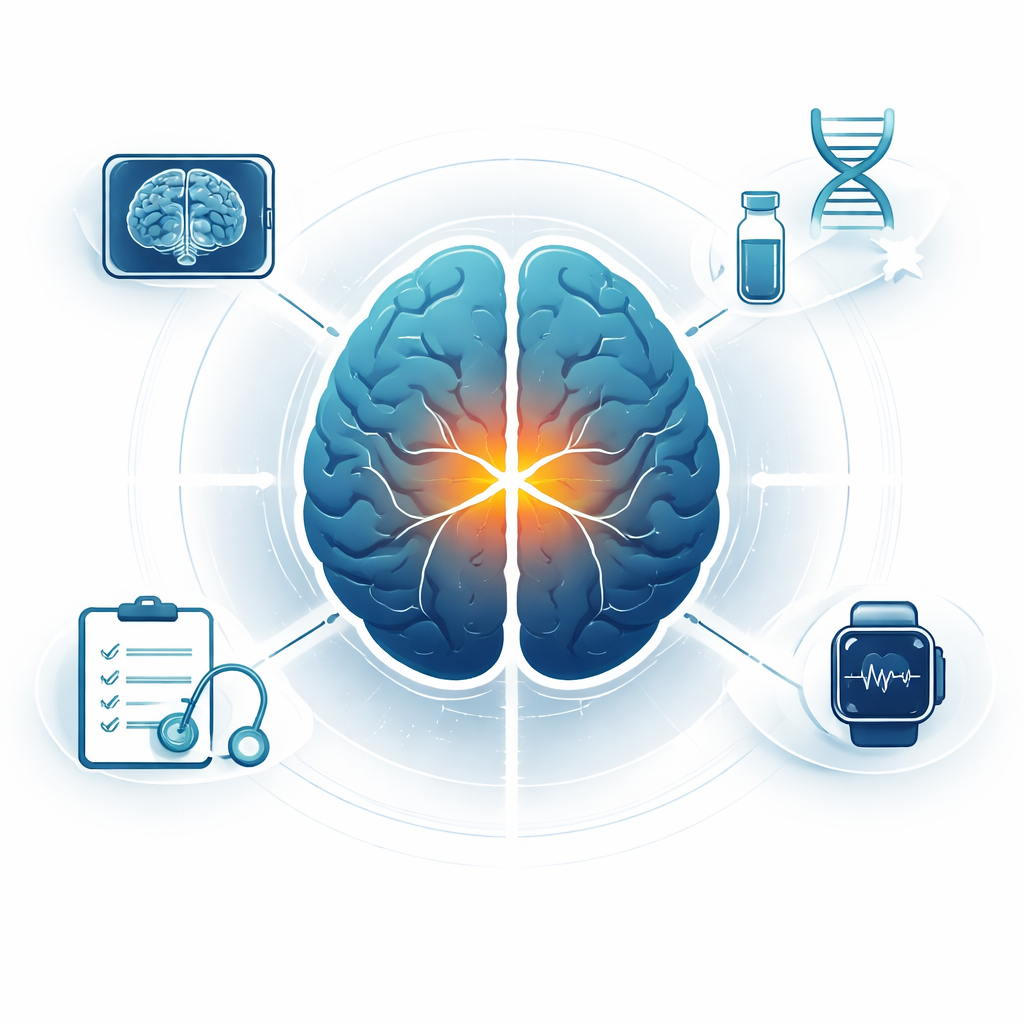
Project site
An external project surface for patient-specific SBR biomarker exploration and clinical visualization workflows.
Visit project siteVisual explainability
High-level figures make the reasoning visible without exposing unpublished system details. Open any project above for the full technical narrative and paper citations.
Papers & evidence
These links anchor the public overview to the research record. The project pages carry the supporting figures and detailed methods.
H. M. Tirhekar, P. Yadav, C. Bajaj. MICCAI 2026, accepted paper 4053.
Open paper pageH. M. Tirhekar, P. Yadav, C. Bajaj. bioRxiv 2026.
Open paperA. Vinod, A. S. Ellendula, S. Bhardwaj, et al. bioRxiv 2025.
Open paperH. M. Tirhekar, P. Yadav, C. Bajaj. medRxiv 2025.
Open paper